Calorie Calculator: Your Complete Guide to Daily Calorie Needs
Understanding how many calories your body needs each day is one of the most important steps toward achieving your health and fitness goals. Whether you want to lose weight, maintain your current weight, or build muscle, a Calorie Calculator can help you make informed decisions about your diet and lifestyle.
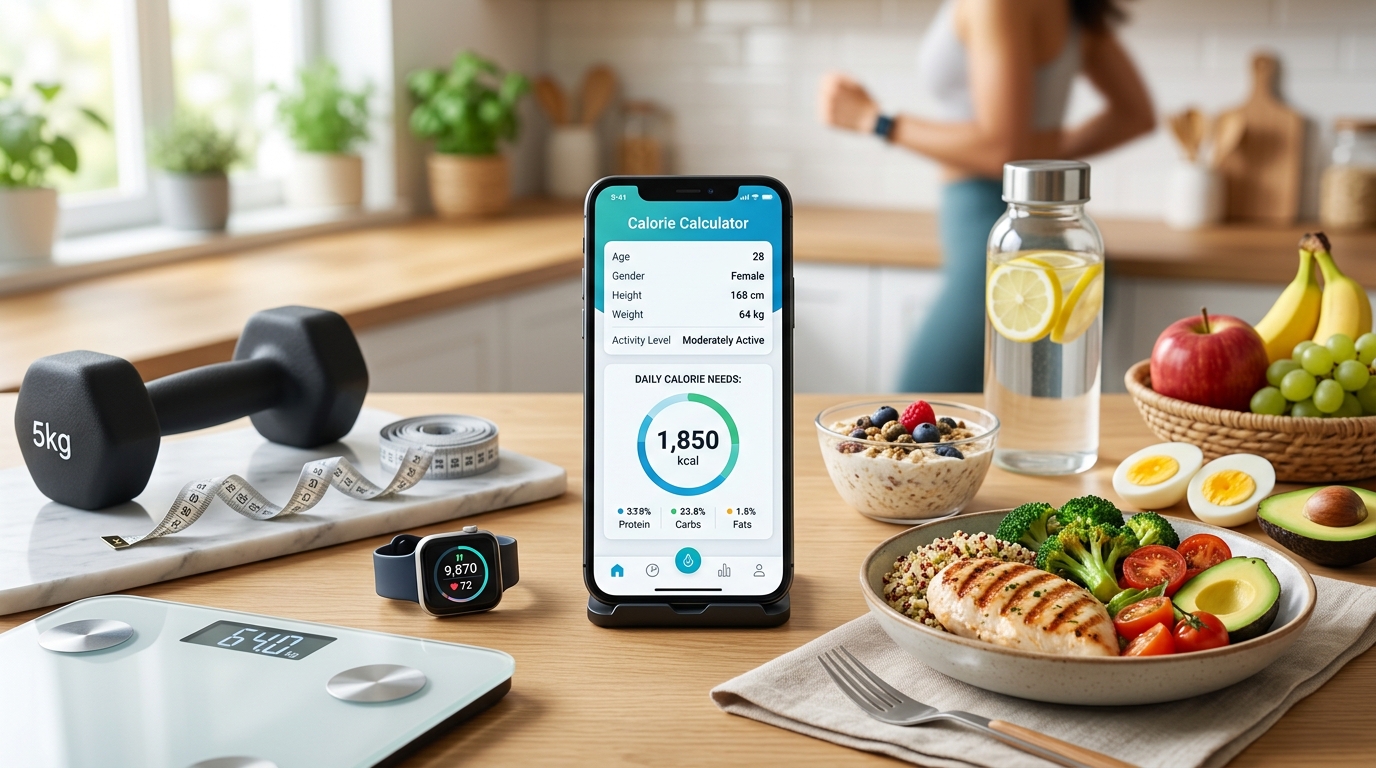
Instead of guessing how much food you should eat, this daily calorie tracking tool provides an estimate based on your age, gender, weight, height, and activity level.
What Is a Calorie?
A calorie is a unit of energy that your body uses to perform daily functions such as:
- Breathing
- Walking
- Exercising
- Digesting food
- Maintaining body temperature
Every food and drink contains calories that provide energy for your body.
For reliable nutrition and healthy eating guidance, you can explore the Mayo Clinic Nutrition Guide.
What Is a Calorie Calculator?
A daily calorie needs calculator is an online tool that estimates the number of calories you need each day.
It considers factors such as:
- Age
- Gender
- Height
- Weight
- Activity Level
- Fitness Goals
The calculator helps determine your Total Daily Energy Expenditure (TDEE), which is the total number of calories your body burns each day.
Use Our Calorie Calculator
If you want a quick and accurate estimate of your daily calorie needs, use our nutrition calculator…
- Weight Loss
- Weight Maintenance
- Muscle Gain
- Fitness Planning
👉 Use Our Calorie Calculator to Get Instant Results
(Add your calculator page link here.)
Why Calories Matter
Calories play a major role in body weight management.
Calorie Surplus
When you consume more calories than you burn, your body stores excess energy, which may lead to weight gain.
Calorie Deficit
When you burn more calories than you consume, your body uses stored fat for energy, leading to weight loss.
Calorie Balance
When calories consumed equal calories burned, your weight typically remains stable.
How Does a Calorie Calculator Work?
A Calorie Calculator uses scientific formulas to estimate your energy requirements.
The process usually involves:
Step 1: Calculate Basal Metabolic Rate (BMR)
BMR represents the calories your body needs at rest.
Step 2: Apply Activity Level
Your activity level affects how many calories you burn throughout the day.
Activity levels include:
- Sedentary
- Lightly Active
- Moderately Active
- Very Active
- Extremely Active
Step 3: Calculate TDEE
The calculator estimates your Total Daily Energy Expenditure (TDEE).
Benefits of Using a Calorie Calculator
Better Weight Management
Track calorie intake more effectively.
Personalized Results
Get recommendations based on your body and lifestyle.
Supports Fitness Goals
Whether you want to lose fat or gain muscle, this calorie planning tool provides a clear starting point.
Improves Nutrition Planning
Helps create a structured eating plan.

Daily Calorie Requirements by Goal
For Weight Loss
A moderate calorie deficit is often recommended.
For Weight Maintenance
Consume approximately the same number of calories you burn.
For Muscle Gain
A slight calorie surplus may help support muscle growth.
Factors That Affect Calorie Needs
Age
Calorie requirements often change with age.
Gender
Men generally require more calories than women due to higher muscle mass.
Body Weight
Heavier individuals usually burn more calories.
Activity Level
Exercise and daily movement significantly impact calorie expenditure.
Muscle Mass
More muscle generally increases calorie needs.
Common Sources of Calories
Protein
Supports muscle repair and growth.
Examples:
- Chicken
- Fish
- Eggs
- Greek Yogurt
Carbohydrates
Primary energy source.
Examples:
- Rice
- Bread
- Oats
- Fruits
Healthy Fats
Support hormone production and overall health.
Examples:
- Avocados
- Nuts
- Olive Oil
Tips for Healthy Weight Loss
Track Your Calories
Monitor daily calorie intake.
Eat More Protein
Protein helps increase satiety.
Stay Active
Regular exercise improves calorie expenditure.
Drink Water
Hydration supports overall health.
Get Enough Sleep
Poor sleep can affect appetite regulation.
Common Mistakes When Counting Calories
- Ignoring portion sizes
- Forgetting liquid calories
- Overestimating exercise calories burned
- Skipping meals
- Relying only on calorie counts instead of nutrition quality
Calorie Calculator vs BMI Calculator
| Feature | Calorie Calculator | BMI Calculator |
|---|---|---|
| Estimates Daily Calories | Yes | No |
| Helps Weight Planning | Yes | Limited |
| Measures Body Fat Directly | No | No |
| Supports Nutrition Goals | Yes | No |
Both tools are useful when used together for health management.
Why Use an Online Calorie Calculator?
An online calorie tracker saves time and provides personalized recommendations.
Benefits include:
- Instant results
- Easy-to-use interface
- Better nutrition planning
- Supports weight management
- Helps achieve fitness goalsYou can also use our BMI Calculator to understand whether your weight falls within a healthy range.
For a more detailed analysis of your body’s energy requirements, try our BMR Calculator.
Frequently Asked Questions
What is a Calorie Calculator?
A Calorie Calculator estimates how many calories your body needs daily.
How accurate is a Calorie Calculator?
It provides an estimate based on standard formulas and personal information.
Can a Calorie Calculator help with weight loss?
Yes. It helps determine a calorie target for achieving weight-loss goals.
How many calories should I eat per day?
The answer varies based on age, weight, height, activity level, and goals.
Should I count calories every day?
Tracking calories can help improve awareness and consistency.
Conclusion
A Calorie Calculator is one of the most effective tools for understanding your daily energy needs. Whether your goal is weight loss, weight maintenance, or muscle gain, knowing your calorie requirements helps you make smarter nutrition decisions.
Use our Calorie Calculator today and take the first step toward achieving your health and fitness goals.